
Why the levees broke
The full and vetted story of the worst civil engineering disaster in U.S. history — in fifteen short lessons.
On August 29, 2005, levees and floodwalls built by the U.S. Army Corps of Engineers broke in about 50 places, flooding 80% of New Orleans. Many of the walls fell over with the water well below their tops. In the 1980s, the Corps had misread its own load test and driven steel sheet piles 17 feet deep instead of 31 to 46 — saving about $100 million. A federal judge found the Corps responsible. A 1928 law means it never had to pay.
deaths from Hurricane Katrina, per the National Hurricane Center. Levee failures led to the deaths of hundreds.
breaches in the federal hurricane protection system
saved by the Corps' decision to short-sheet the steel pilings
of Americans live in counties protected by levees
Four parts, fifteen lessons
Each lesson takes five to ten minutes, draws on two decades of Levees.org research, and links to the primary sources.
What happened
The morning of August 29, 2005, and the federal project that was supposed to keep the water out.
Why the levees broke: the short answer
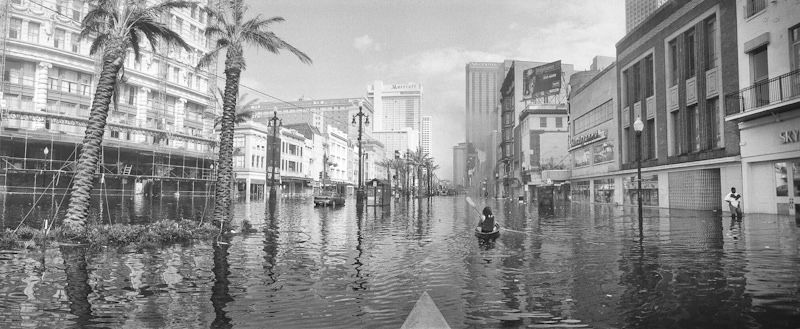
The flooding of New Orleans in 2005 was primarily a civil engineering disaster, not simply a weather event. Here is the whole story in five minutes.
Start lesson →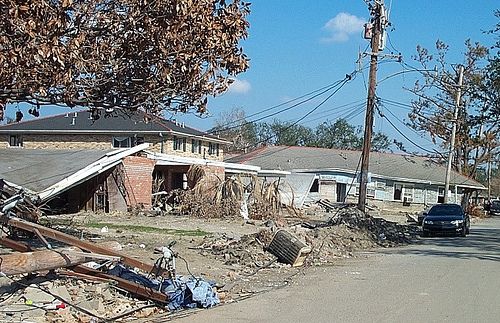
The morning the levees broke
From a forecast that surprised everyone to the most successful rapid evacuation of a major city in U.S. history — and then a morning when the walls gave way, one after another.
Start lesson →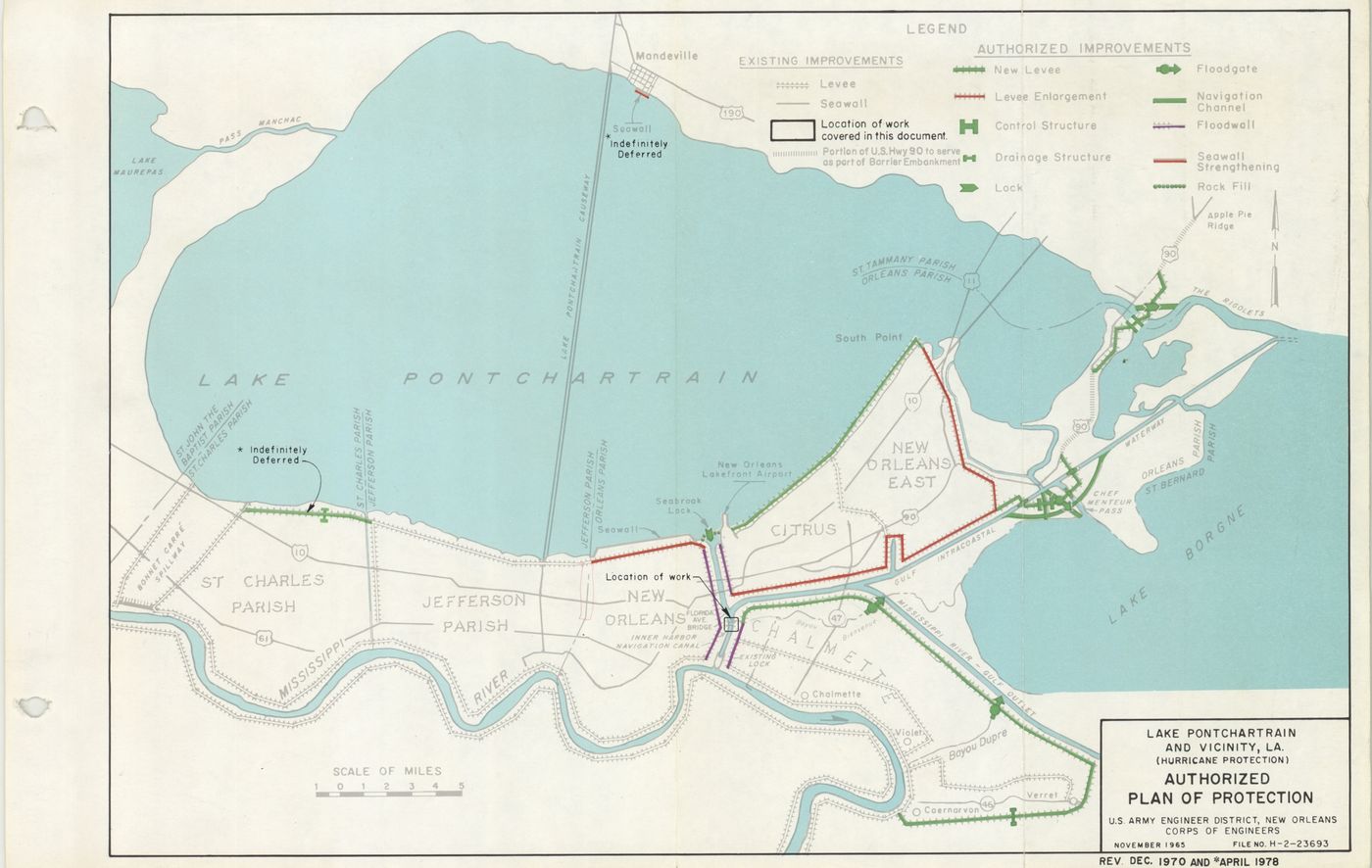
A federal project
After Hurricane Betsy in 1965, Congress made the U.S. Army Corps of Engineers solely responsible for designing and building the hurricane protection around New Orleans. Forty years later, it still wasn't finished.
Start lesson →Why the levees broke
A breach-by-breach tour of the worst civil engineering disaster in U.S. history.
The fatal shortcut
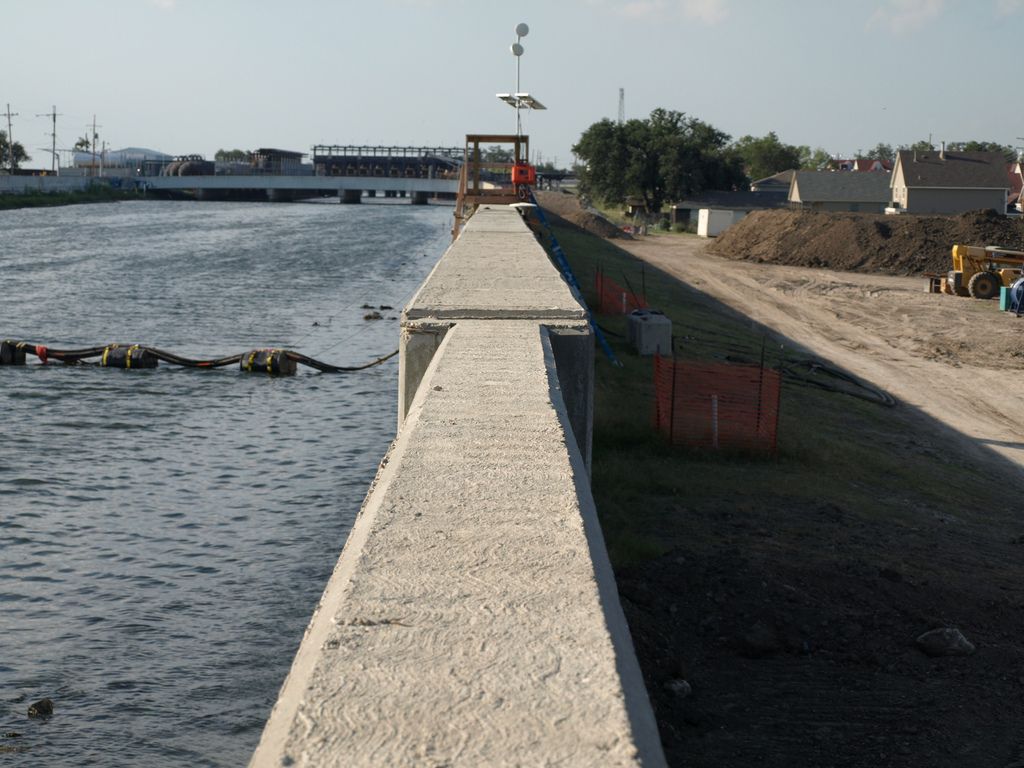
In the 1980s, the Army Corps misinterpreted its own sheet pile load test and decided it could drive steel pilings 17 feet deep instead of 31 to 46. The decision saved $100 million. It cost a city.
Start lesson →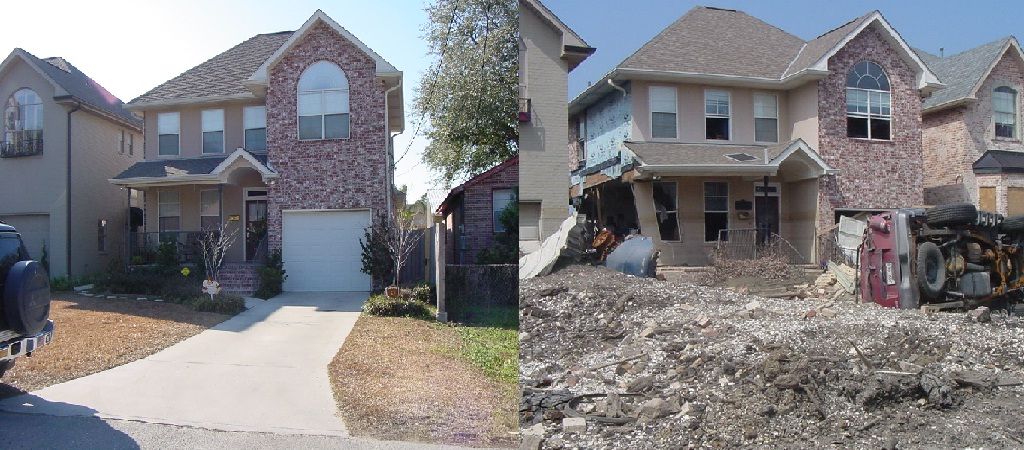
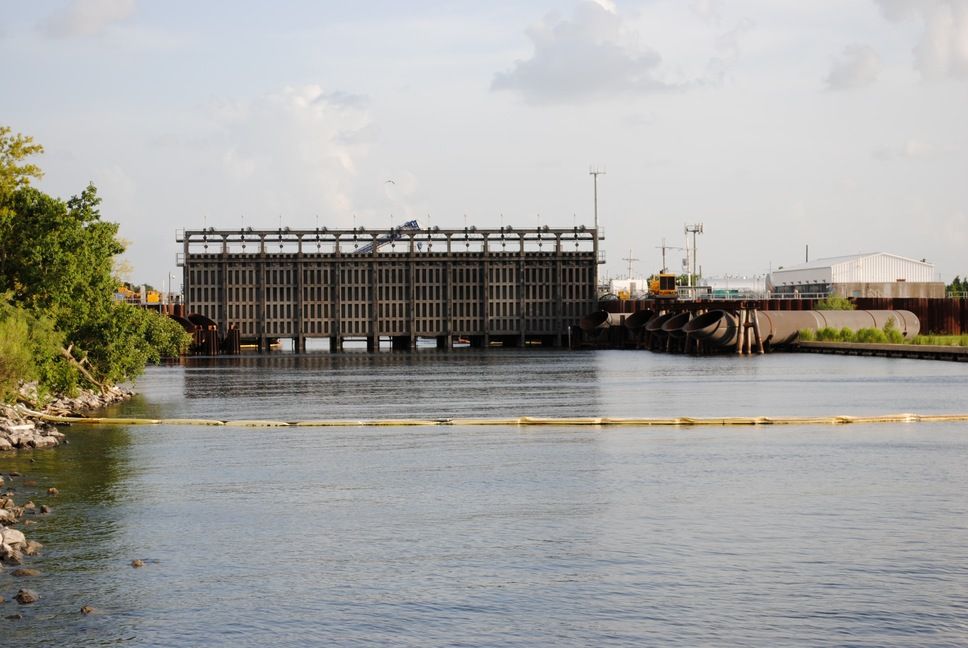
The 17th Street Canal
The breach that flooded Lakeview — and much of the city's main basin — is the most clear-cut and most non-controversial example of federal negligence in levee building.
Start lesson →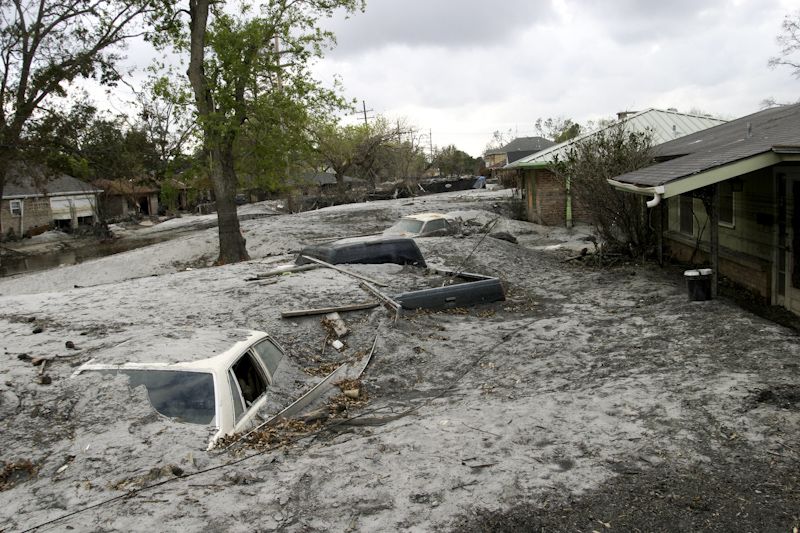
The London Avenue Canal
The London Avenue Canal floodwall failed on both sides — a testament to how unreliable the walls were before Hurricane Katrina arrived. Next door, the Orleans Avenue Canal shows what the same walls did when they didn't breach.
Start lesson →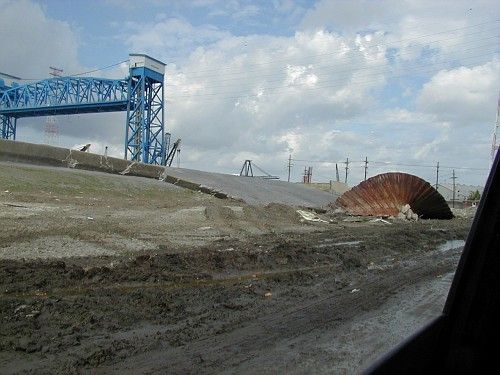
The Industrial Canal and the Lower Ninth Ward
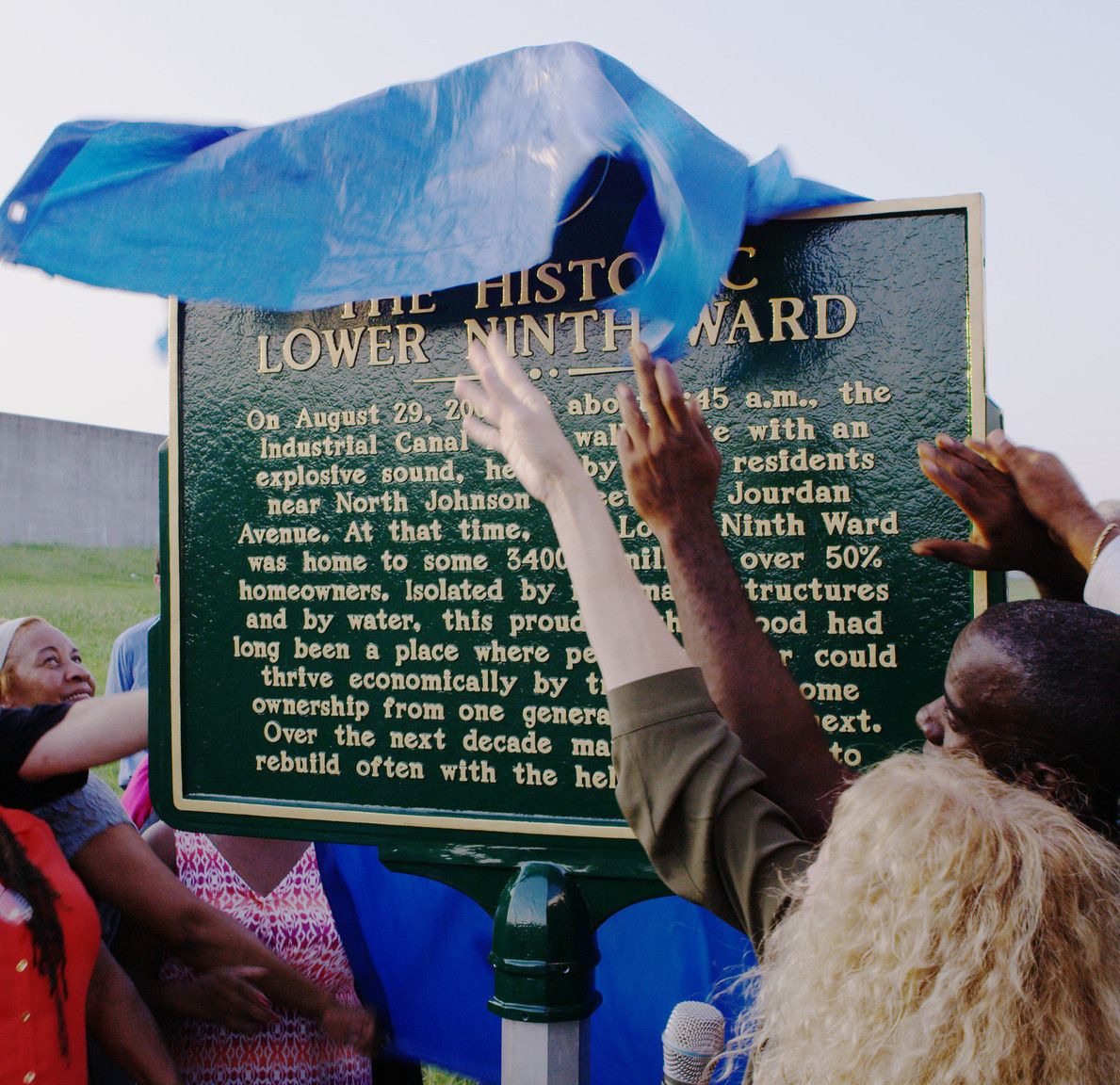
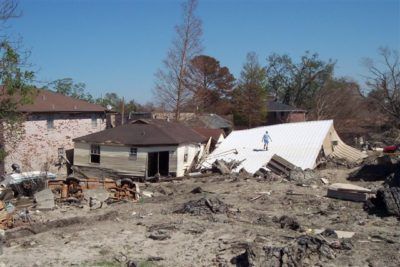
The first floodwater of the morning came through the Industrial Canal, which breached in nearly the same place it had during Hurricane Betsy 40 years earlier. The Lower Ninth Ward went under 6 to 12 feet of water.
Start lesson →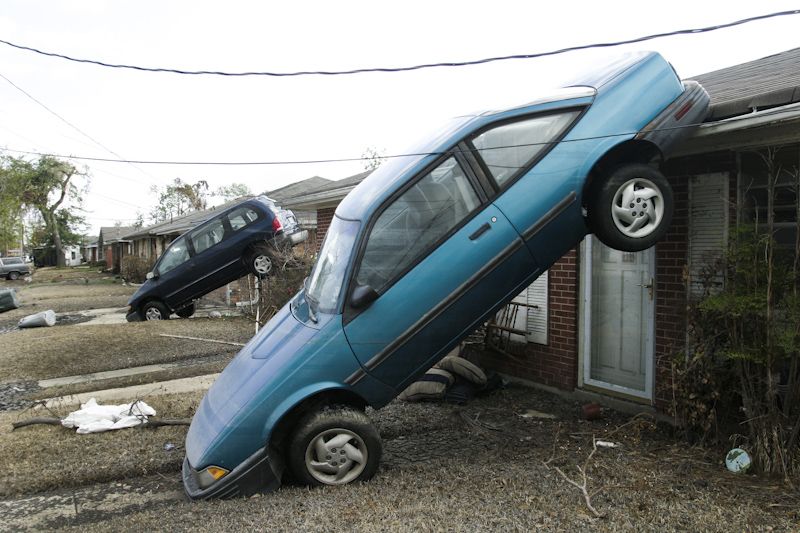
New Orleans East, St. Bernard Parish and the MR-GO
East and south of the city, levees built of sand and shell washed away, and a federal shipping channel that was nearly obsolete the day it opened turned a buffer of cypress swamp into open water.
Start lesson →How the story got told
The investigations, the courts, and the fairy tale that took flight before the water was pumped out.
The investigations
Seven major studies examined why the levees failed. All found engineering failures. One — the first — wrongly blamed the local levee board, and a decade later its authors did something rare: they publicly corrected the record.
Start lesson →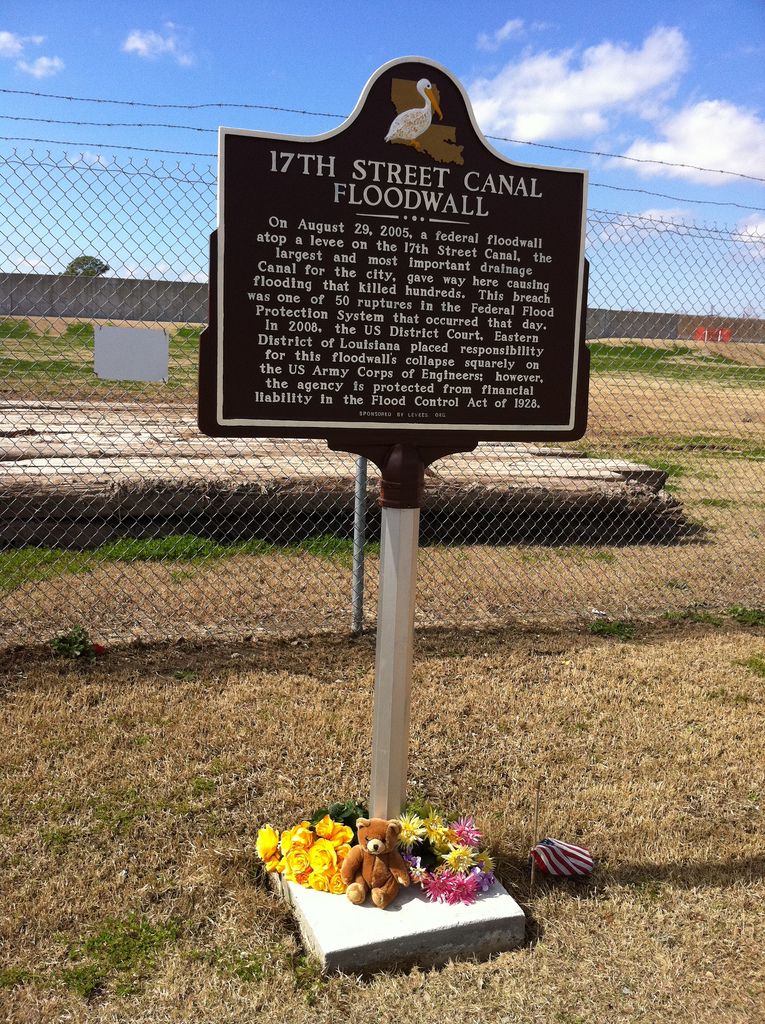
In court
A federal judge found the Army Corps responsible for the floodwall failures and for the MR-GO disaster. Not one dollar of damages followed, because of a law written in 1928.
Start lesson →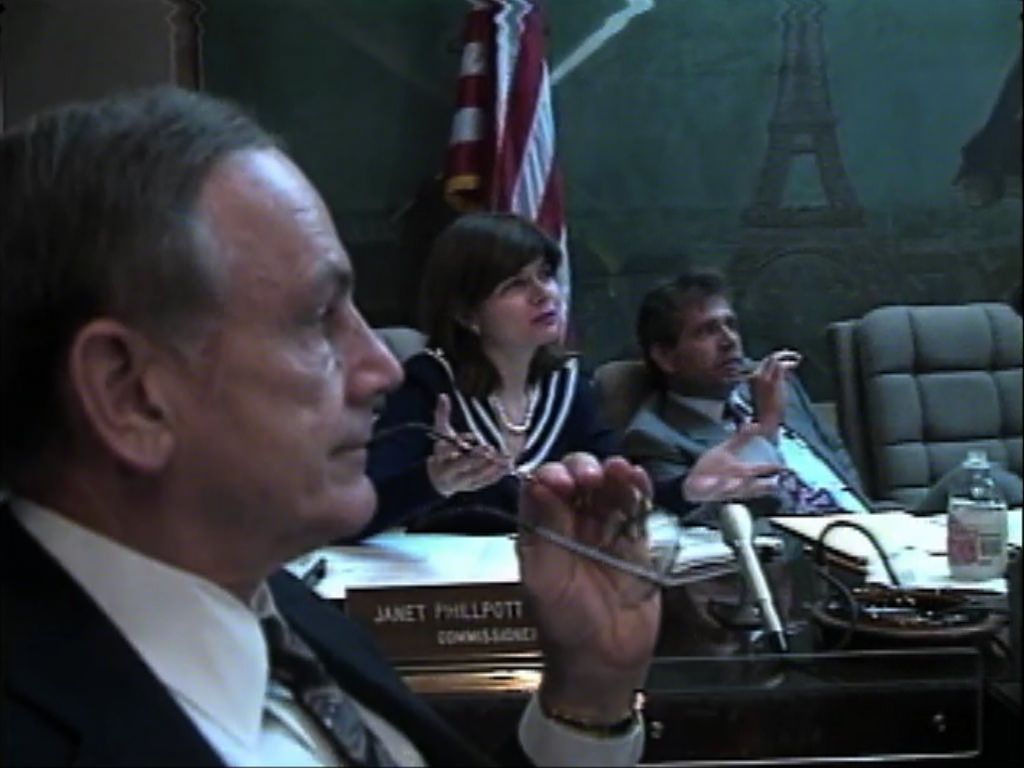
The fairy tale
In the shock and confusion after the flood, a story took flight: a monster storm drowned a corrupt city below sea level, and the Army Corps had been forced by local officials and environmentalists to build an inferior system. None of it holds up.
Start lesson →
Words matter
Saying “Katrina destroyed New Orleans” is like saying traffic destroyed the Minneapolis bridge. How a phrase, a press release, a PR budget and a squadron of anonymous commenters shaped what America believes — and how Levees.org pushed back.
Start lesson →Why it matters to you
What changed, who is still at risk, and how we remember.
What changed
The levee breach event was not a shining moment for American engineering, but it was a pivotal moment in American history. It changed how the nation builds, inspects and governs levees — though not always as much as it should have.
Start lesson →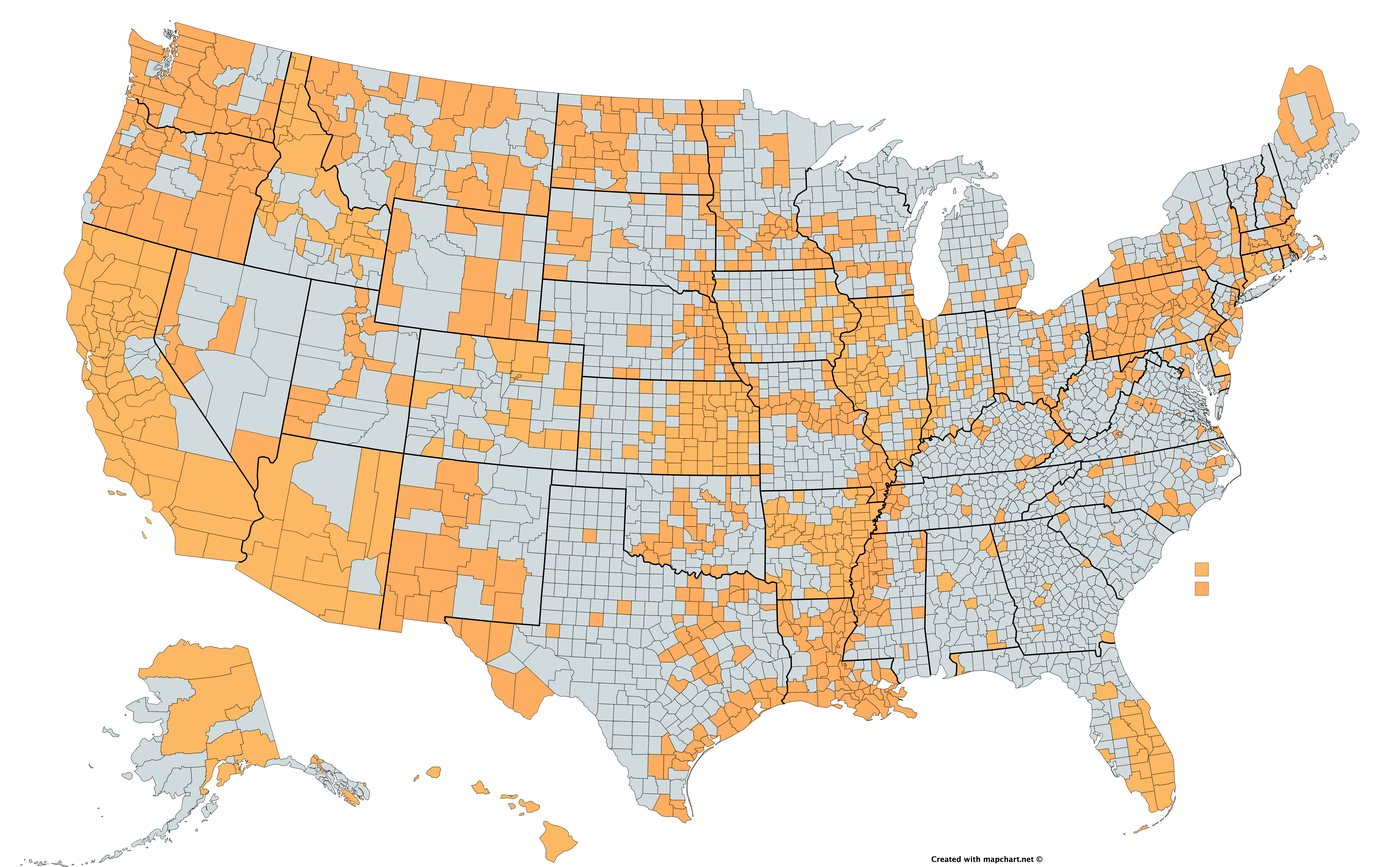
Levees everywhere
After 2005, many Americans questioned the wisdom of rebuilding a city that depends on levees. Then Levees.org asked FEMA for the data. Sixty-two percent of Americans live in counties protected by levees.
Start lesson →
Remembering and learning
History, both the good and the bad, shall be recorded. How Levees.org marks the breach sites — and why it wants every engineering student in America to learn what happened here.
Start lesson →
“In 1912, the Titanic sank and no one blames the iceberg. Levees.org will say ‘mission accomplished’ when, with regard to the catastrophic flooding during Katrina, no one blames the hurricane.” — Levees.org
Tools for the truth
Quick references for students, reporters and anyone who wants the facts at their fingertips.
Myth busters
13 common myths about the 2005 flooding, and the facts that bust them.

Timeline
The levee failures were 40 years in the making. See them in order.
The record
Every major levee investigation, the court rulings, and the books to read next.
Test your knowledge
Separate facts from fairy tales.
Additional resources
Learn more about the 2005 New Orleans levee failures and gain the tools to advocate for your community.
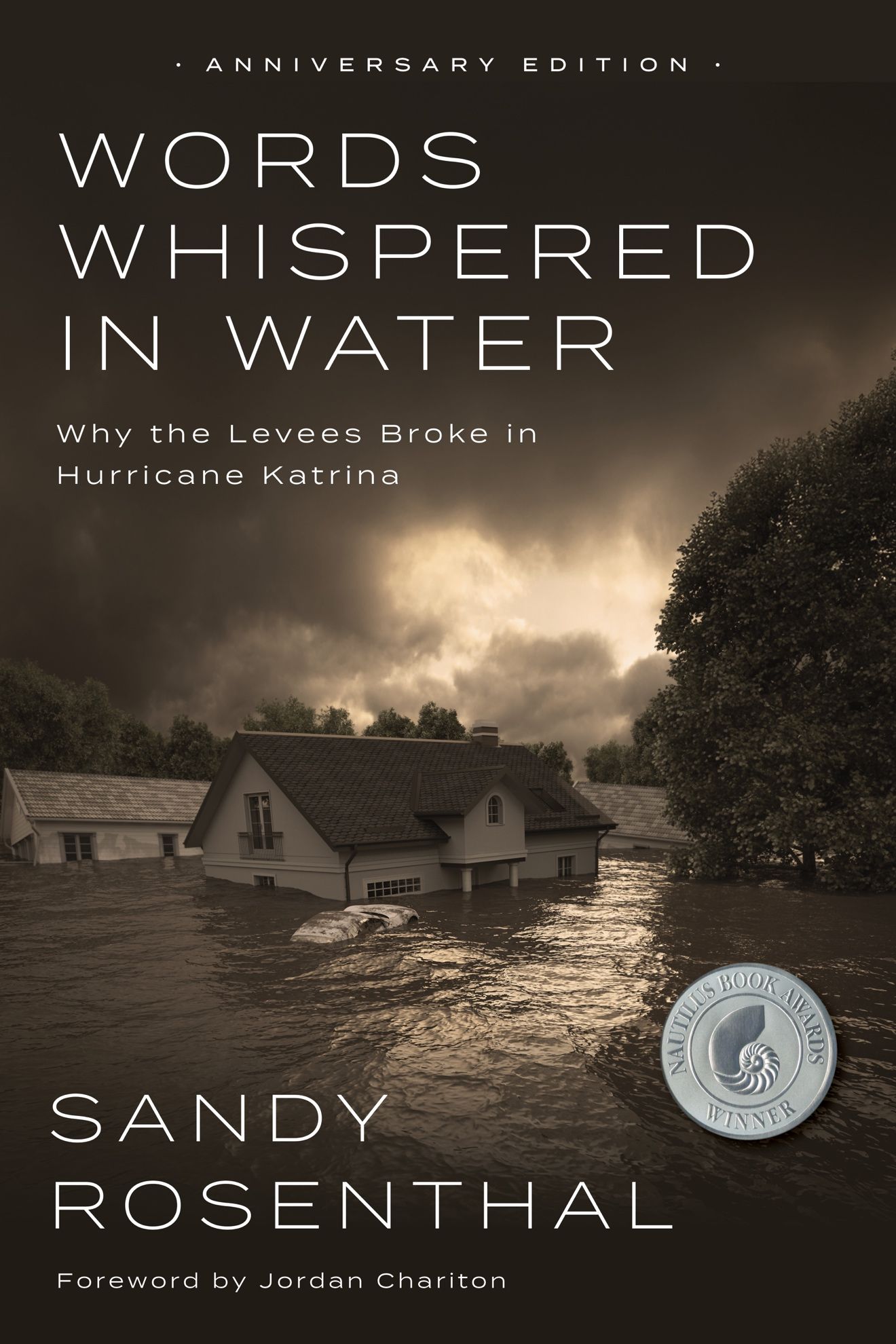
Words Whispered in Water
Founder Sandy Rosenthal's award-winning account of why the levees broke and how the truth was buried.
Get the book ↗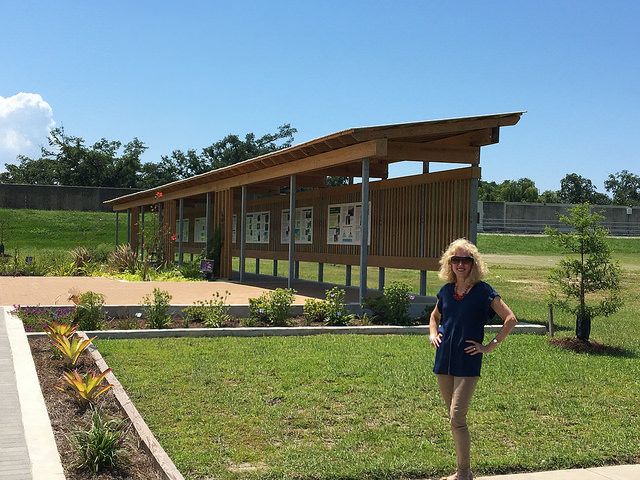
Visit the breach sites
The Flooded House Museum and Levee Exhibit Hall are free and open every day at the London Avenue Canal breach.
Plan your visit →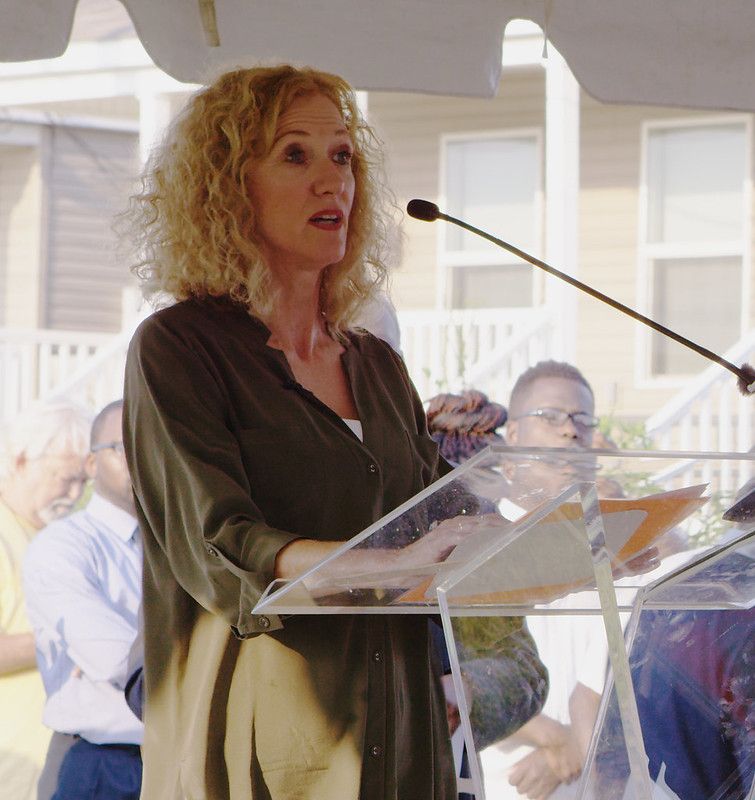
Join Levees.org
Advocate for safe levees in your community and nationwide. It's free: 1–2 emails monthly, directly from Sandy.
Sign up at Levees.org ↗